For overseas-based B2B companies entering the United States, rapid expansion often looks like the shortest path to success. The market is large, opportunities seem abundant and early traction can create pressure to scale fast. Yet momentum can hide deeper risks. When teams move faster than the U.S. market can absorb, they encounter operational strain, financial pressure and buyer hesitation.
Ambition is not the issue. Timing, pacing and market understanding are.
The United States rewards speed, but only when supported by clarity and operational readiness. Companies that expand too fast often encounter:
Scaling without understanding these norms creates friction that slows growth instead of accelerating it.
Entering the United States without understanding customer expectations, regulations or competitive dynamics leads to costly missteps. Decisions such as choosing unsuitable distribution partners or misjudging buyer priorities weaken credibility early.
Scaling requires infrastructure. If production teams, supply chains or service functions stretch too thin, quality decreases. Missed deliveries, slow response times and inconsistent support can harm relationships before they mature.
U.S. communication norms emphasize clarity and direct answers. When overseas-based firms do not adapt, local partners may view them as slow, unclear or uncommitted. Even strong sales strategies fail when culture and communication do not align.
Scaling brings upfront investment. Hiring, facilities, logistics and inventory all require capital. If U.S. revenue lags behind projections, a company can fall into cash flow gaps that constrain long-term growth.
Rushed expansion often fragments marketing. Without a clear U.S. value proposition, messaging becomes inconsistent. Confused prospects hesitate and the brand loses momentum before it establishes a foothold.
In manufacturing, medtech, chemicals and industrial sectors, scaling too quickly introduces additional risks:
Fast growth without operational maturity creates roadblocks that slow expansion instead of supporting it.
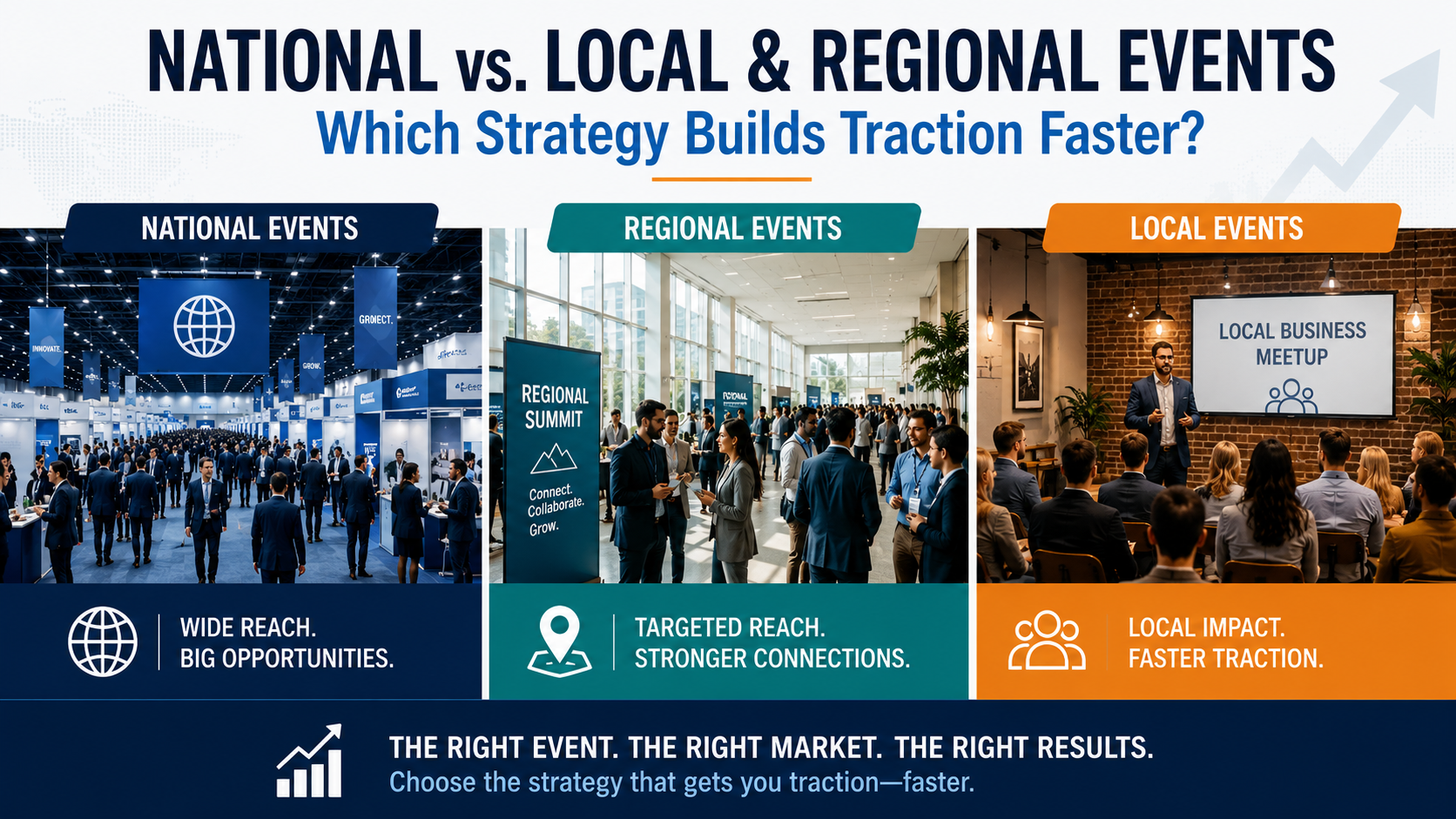
Pilot programs or regional launches help test demand before expanding nationally. This approach protects resources and provides early insight into buyer behavior.
Local leaders, consultants or regional managers provide practical guidance on cultural expectations, decision-making patterns and industry norms. This expertise accelerates trust with U.S. buyers.
Volume is less important than reliability. Strong service, consistent delivery and precise communication create momentum through referrals and repeat business.
Cash flow in the United States differs from other regions due to payment terms and financing options. Early financial discipline prevents overextension and supports long-term growth.
The United States is competitive. Sustainable growth comes from learning, refining and adapting. Companies that move steadily rather than aggressively create a stronger foundation.
Use this quick checklist to evaluate whether your company is ready to scale in the United States:
If any area is uncertain, a phased approach will create better long-term results.
Scaling across borders is not about growing as fast as possible. It is about ensuring the right structure, insight and timing. When companies rush into the U.S. marketUnited States without a strong foundation, they face operational complications, financial pressure and weakened brand trust. The most successful expansions pair ambition with discipline and grow at a pace the market can sustain.
Most challenges come from mismatched expectations. U.S. buyers expect direct communication, consistent quality and quick follow-up. When companies scale before understanding these norms, growth slows instead of accelerating.
Common symptoms include delayed deliveries, unclear communication with prospects, cash flow pressures and inconsistent service. These issues signal that infrastructure and processes are not keeping pace with growth.
Most companies benefit from validating demand before building a large team. Early hires should be strategic and able to guide market learning, not simply execute volume-based sales activity.
Cash flow is the most common challenge. Investments in people, facilities and logistics often come before revenue stabilizes. Without careful planning, companies overextend resources.
Use phased expansion. Test demand, refine the offer and build infrastructure at the same speed your U.S. market is developing. This keeps momentum steady and sustainable.


We use cookies to enhance your experience, analyze traffic, and support our marketing efforts. Privacy Policy