The wire hits your account. The press release went out. Your team is celebrating. Now what?
For overseas headquartered (for our context: based outside of the U.S.) SaaS companies, raising a round is the starting gun for U.S. expansion. But the data tells a sobering story: 92% of SaaS companies fail within three years despite having funding and growth potential. And a significant number of those failures trace back to poor execution in the critical early months after a raise.
The North American SaaS market is projected to reach $211.7 billion in 2026, representing nearly 46% of global SaaS revenue. That is an enormous opportunity. But every week you spend figuring out the basics is a week your competitors are building pipelines and closing deals in the world's most competitive software market.
We have worked with overseas-based B2B companies navigating exactly this moment. What follows is a 90-day execution framework built from real experience, organized into three phases that move you from "we just raised" to "we are generating U.S. pipeline."
The first 30 days are about making decisions, not launching campaigns. Companies that rush into marketing and sales without structural clarity tend to burn capital on the wrong audience in the wrong channels.
Your Ideal Customer Profile for the U.S. market is almost certainly not a copy of your home market profile. American enterprise buyers evaluate software differently. The average B2B SaaS sales cycle in the U.S. now runs 134 days (roughly 4.4 months), which is significantly longer than what many overseas-based companies expect. Customer acquisition costs have surged by 180% in recent years and the payback period has stretched by 150%.
This means you need to be extremely precise about who you are targeting. Before you spend a dollar on outbound or content, answer four questions. First, which U.S. industries have the highest pain for your solution? Vertical SaaS platforms grow at 24% year-over-year compared to 16% for horizontal tools, so specificity wins. Second, what compliance or data residency requirements exist in your target sectors? U.S. federal agencies and regulated industries now mandate that data stays within U.S. borders. Third, what is the realistic deal size and sales cycle for your first 10 U.S. customers? This determines your burn rate, hiring plan, and marketing and sales budget. And fourth, who are the 3 to 5 direct competitors already serving this audience? American buyers compare aggressively and you need to know what you are being measured against.
Nearly 70% of new SaaS users stop using software within the first three months if value is not clear early. For an overseas-headquartered company entering the U.S., that window is even tighter because you are starting with zero recognition.
Three areas to audit immediately:
Pricing model. Usage-based and consumption-based pricing now dominates U.S. SaaS procurement. Research from 2026 shows that companies using consumption-based pricing exhibit significantly higher spend variance than fixed-cost alternatives. If you are still running a rigid per-seat model, American buyers may perceive your product as inflexible.
Data residency. If your software processes American customer data on servers outside the U.S., you will lose enterprise deals automatically. This is non-negotiable for healthcare, financial services and government-adjacent sectors.
Integrations. American companies manage an average of 291 SaaS applications. Your product needs to connect seamlessly with tools like Salesforce, HubSpot and the broader ecosystem. Poor integration readiness is a deal-breaker in procurement reviews.
This is not optional. Establish your U.S. presence (banking, legal structure and compliance basics) in the first 30 days. Many companies delay this step and then discover they cannot sign enterprise contracts, process U.S. payments or hire locally when the time comes.
With your foundation set, the second month is about making your company findable and trustworthy to American buyers who have never heard of you.
We cannot stress this enough: your European or Asian website, translated into English, is not a U.S. marketing strategy. American B2B buyers expect locally relevant case studies, pricing in USD, compliance documentation and content that speaks to their specific industry challenges.
At a minimum, you need U.S.-specific landing pages that speak directly to American buyer pain points and evaluation criteria. You need two to three pieces of original thought leadership content to build credibility through SEO and AI-powered search platforms like ChatGPT, Perplexity and Google AI Overviews. You need a LinkedIn company presence with U.S.-focused positioning because the majority of B2B decision-makers use LinkedIn during their buying process. And you need a clear "Why Us" narrative tailored to the U.S. competitive landscape, because American buyers compare options more aggressively than most international markets.
Do not try to reach everyone. The companies that succeed in U.S. market entry start with a focused outbound approach targeting 50 to 100 high-fit accounts. This is the so-called "Dream 100." Use a combination of email outreach, LinkedIn engagement and warm introductions through investors or advisors.
The goal in this phase is not to close deals. At least, not right away. It is to generate 15 to 25 qualified conversations with potential customers who match your Ideal Customer Profile. Those conversations will teach you more about your U.S. positioning in 30 days than six months of internal strategy sessions ever could.
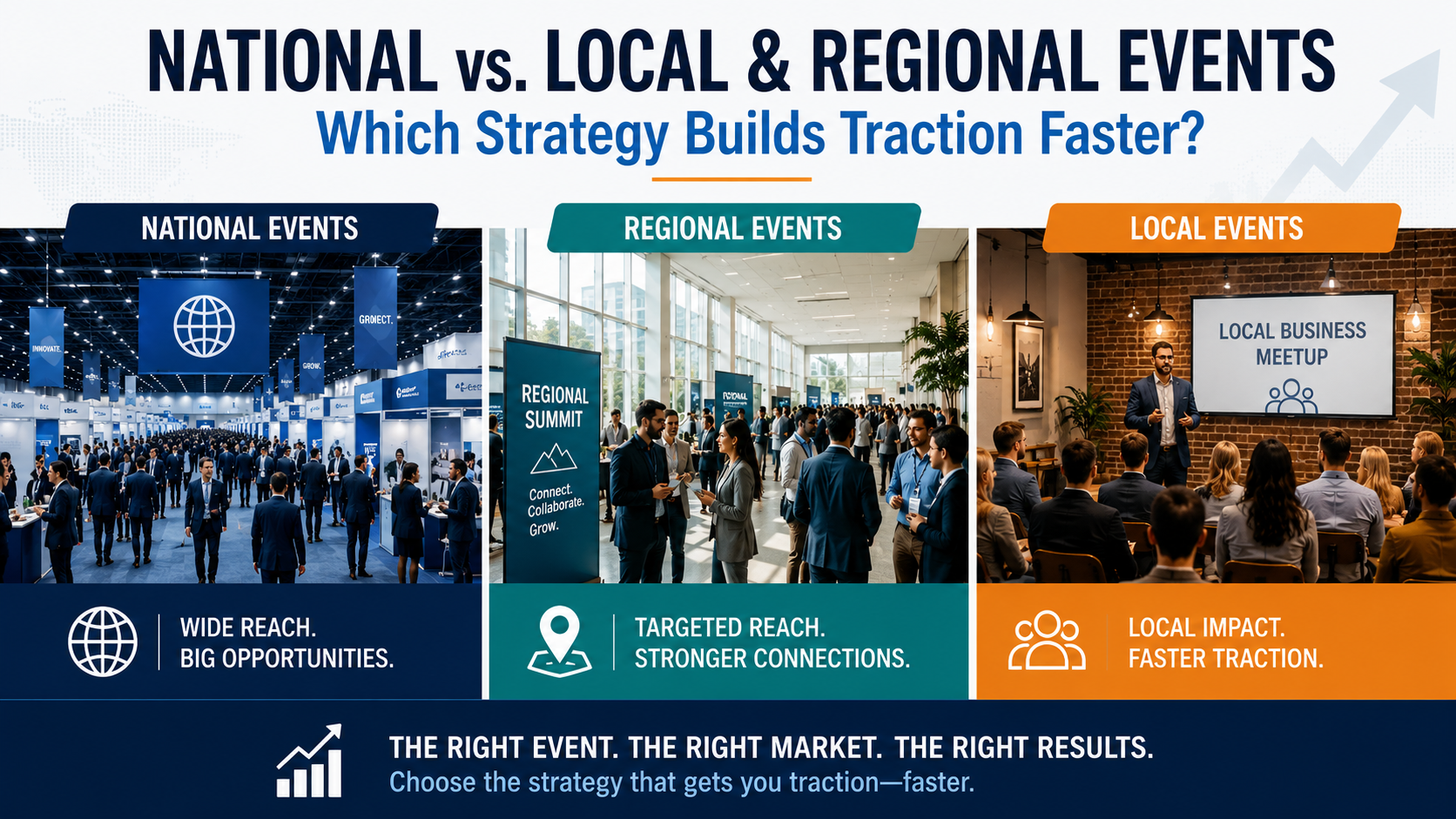
Trade shows and conferences remain one of the most effective channels for overseas-based companies to build trust with American buyers face to face. Events like SelectUSA are specifically designed for companies entering the U.S. market. Plan your attendance now even if the events are months away. The preparation, outreach and meeting scheduling take longer than most founders expect.
By day 61, you should have structural clarity, a localized web presence and early conversations happening. Now the focus shifts to proving traction.
The conversations from Phase 2 need to become pipeline entries with estimated deal values, expected close dates and clear next steps. If you cannot point to at least 5 to 10 active opportunities by day 90, something in your Ideal Customer Profile, positioning or outbound approach needs to change.
Track these metrics from day one:
| Metric | Target by Day 90 | Why It Matters |
|---|---|---|
| Qualified conversations | 15 to 25 | Validates your Ideal Customer Profile and outbound approach |
| Active pipeline opportunities | 5 to 10 | Shows momentum to investors and leadership |
| Average projected deal size | Benchmark against home market | Confirms (or challenges) your U.S. pricing strategy |
| Website traffic from U.S. visitors | Measurable upward trend | Indicates whether your content and SEO strategy is gaining traction |
| LinkedIn engagement rate | Above industry average (2%+) | Signals that your positioning resonates with the U.S. audience |
This is one of the most consequential decisions in your first 90 days. Hiring a full-time U.S. marketing and sales team is expensive. A senior marketing hire in the U.S. costs $120,000 to $180,000 annually before benefits. A sales development representative costs $65,000 to $85,000 plus commission. And a single hire cannot cover strategy, content, lead generation and campaign execution alone.
Many overseas-based SaaS companies find that partnering with a U.S.-based growth marketing team delivers faster results at a fraction of the cost during the first 12 to 18 months. You get a full team, local market expertise and measurable accountability without the overhead and risk of premature hiring.
Your investors funded you to grow. They want to see a structured update that shows progress against clear milestones. A strong 90-day update includes: what you learned about the U.S. market, how your Ideal Customer Profile has been refined, early pipeline metrics and your plan for the next quarter.
This is not a vanity exercise. Companies that demonstrate disciplined execution in the first 90 days build investor confidence for follow-on support and introductions.
After years of helping overseas-based companies enter the U.S. market, we see the same mistakes repeated:
Waiting too long to start. Every month of delay post-funding is a month of burn without U.S. revenue progress. The average time between a SaaS company's last funding round and failure is just 20 months (with a median of 16.5 months). Speed matters.
Copying the home market playbook. What worked in Europe, India or Asia Pacific will not automatically translate to the U.S. American buyers expect different proof points, different content formats and a different buying experience.
Trying to do everything internally. Founders who try to run U.S. marketing and sales from overseas headquarters while managing a global business almost always see the U.S. region fall to the bottom of the priority list. A year goes by without meaningful traction.
Underinvesting in marketing and sales. Building a great product is not enough. In a market with over 17,000 SaaS companies based in the United States alone, you need a deliberate strategy to be found, trusted and chosen.
At Beyond Borders Marketing, we help overseas-headquartered B2B SaaS companies and their U.S. entities execute exactly this kind of 90-day launch. We provide marketing, sales support and lead generation built specifically for the U.S. market. Our team operates as your strategic growth partner, not a disconnected service provider, aligning execution with your global goals so leadership can focus on building the business.
If your SaaS company has recently raised funding and the U.S. is on your roadmap, we would welcome a conversation about what the first 90 days should look like for your specific situation.


We use cookies to enhance your experience, analyze traffic, and support our marketing efforts. Privacy Policy