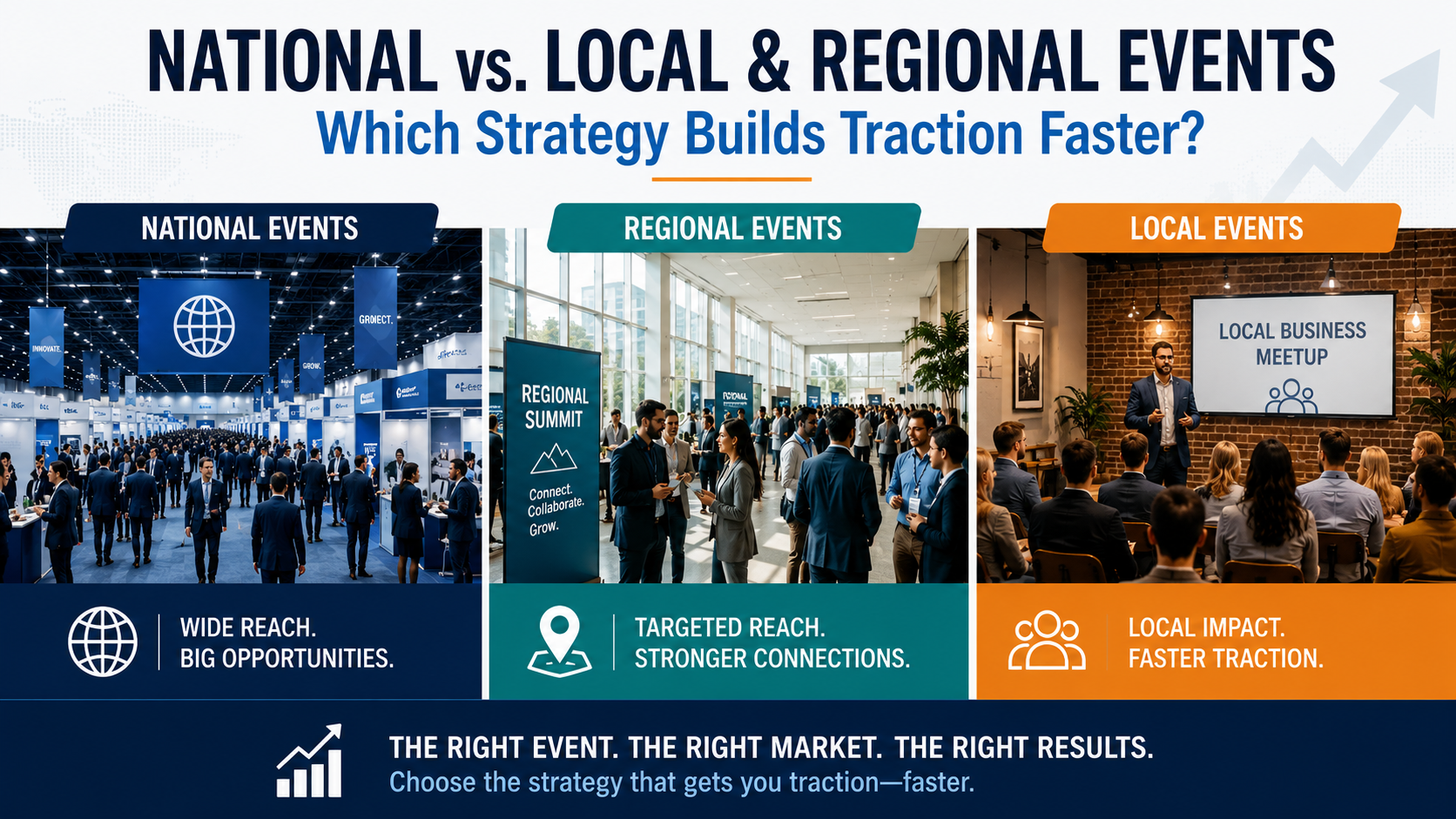
Most B2B companies selling high-ticket services face a painful truth: traditional lead generation tactics no longer work. Cold emails. Generic webinars. Impersonal content. These tactics might generate activity, but not traction. Especially not in long-cycle, high-value sales environments where trust, timing and nuance are everything.
So what should replace these catch-all strategies? The answer is a shift toward precision marketing, grounded in a deep understanding of your ideal customer and a realistic view of how relationships are built over time.
It’s tempting to chase numbers. Marketing teams are measured by leads; sales teams by deals closed. But in complex B2B environments, where annual contract values often exceed six figures and sales cycles stretch over months or years, quantity can become noise if you’re not careful.
Desperation shows. Prospects receive hundreds of emails a week, many of them poorly targeted or tone-deaf. When teams send another "just checking in" message, they signal to the buyer that they don’t truly understand their business or their buying journey.
The best B2B marketers and sales teams are doing less, but are doing it better. They're choosing quality over quantity, meaning reaching fewer prospects with higher relevance. This starts with refining your Ideal Customer Profile (ICP) down to the essentials.
If you wouldn’t reasonably expect to meet a prospect in person within a year, they probably shouldn’t be on your priority list.
Instead, build a target list of 200 companies and go deep:
Many companies strive to remove founders from the sales process as quickly as possible. It seems like the logical next step in scaling. But especially in high-value B2B sales, that’s often a mistake.
Founders bring unique energy, credibility and insight to conversations. They believe in the solution more than anyone. They understand the customer because they are the customer or once were. Also, talking directly to prospects gives founders unique insights to the true painpoints that are driving decision making. Do you really want to close off that feedback loop?
Rather than eliminating founder involvement, reframe it. A founder doesn’t need to do 50 calls a week. But four to six high-quality conversations a month? That’s often where the biggest deals begin and cherished customer insights lie.
In many companies, marketing operates as a disconnected function focused on surface-level metrics and awareness. But marketing only works when it’s aligned to how sales actually happen.
That means:
When these efforts align, the result is not just better messaging, but better timing. Prospects are approached when they’re most receptive, not when you’re most eager.
In an era of automation, AI, and digital fatigue, the personal touch is the differentiator. Whether it’s a founder sending a thoughtful follow-up, a consultant building a dossier on a target account or a salesperson walking a trade show floor, these moments matter.
Don’t forget the personal touch. We live in a virtual world, so our biggest competitive advantage now is being able to meet in person. - Richard Walton
Listen to our podcast episode with Richard Walton
High-stakes B2B deals are still human deals. They happen when trust is built, timing is right and relevance is obvious. That can’t be faked or automated. But it can be scaled if you stop chasing leads and start building relationships.
Because they ignore the length, complexity and nuance of the buyer journey. When sales cycles span months or years, quality and timing matter more than quantity.
Start with a list of no more than 200 high-potential accounts. Focus on understanding them deeply, monitoring activity and engaging meaningfully over time.
Yes, especially in complex deals. Founders bring credibility and insight that’s hard to replicate. Even one high-value conversation a month can make a big impact. Plus, you gain valuable “voice of the customer” insights you can’t hear anywhere else.


We use cookies to enhance your experience, analyze traffic, and support our marketing efforts. Privacy Policy