Most international B2B companies underestimate what it actually costs to enter the U.S. market — not because they lack ambition, but because the numbers are rarely talked about plainly. Agency pitches focus on potential. Trade publications talk about the opportunity. But nobody hands you a realistic spreadsheet.
This guide does exactly that. Whether you're a manufacturing company in Germany, a SaaS provider in Israel, or a professional services company in Australia, here's what you actually need to budget to build meaningful traction in the U.S. B2B market.
The U.S. is not just a big country — it's a highly competitive, relationship-driven, and regionally complex market. What works in Europe, Asia, or Latin America often needs significant adaptation here. American buyers have high expectations for responsiveness, local presence, and social proof. Building all of that takes time and investment across multiple fronts.
There's also a common misconception that U.S. market entry is mostly a marketing expense. In reality, it spans legal setup, brand localization, relationship-building, sales infrastructure, and ongoing demand generation. Cutting corners in any one area tends to slow down results across all the others.
Before spending a dollar on sales or marketing, you need to know where to play and how to win. Solid U.S. market research includes:
You can do parts of this in-house, but the best outcomes come from working with someone who knows the U.S. market intimately — someone who has the conversations, the context, and the connections to give you real intelligence, not just web research.
Budget range: $5,000–$30,000 for a focused market assessment and go-to-market roadmap.
Operating in the U.S. requires legal and administrative infrastructure. Typical setup costs include:
Note: If your industry is regulated — medical devices, financial services, staffing — compliance costs can increase substantially and should be budgeted separately.
Budget range: $3,000–$20,000 for initial setup, with ongoing costs of $2,000–$5,000/year.
Your brand may be strong at home, but U.S. buyers often need to see it through a different lens. Adapting your positioning for the American market typically involves:
This isn't about changing your identity — it's about making your value land with a new audience. American buyers tend to respond to directness, specific ROI claims, and peer validation in ways that differ from other markets.
Budget range: $10,000–$60,000 depending on how much needs to be adapted.
This is typically the largest line item in a U.S. entry budget, and for good reason. Lead generation in the U.S. B2B market is competitive and requires consistent effort across multiple channels.
Options range from:
A common mistake is underinvesting here and wondering why the pipeline isn't building. The U.S. market rewards persistence and volume — you need a consistent, well-funded outreach effort to get traction.
Budget range: $60,000–$250,000+/year for a properly resourced lead generation operation.
U.S. B2B buyers research extensively before engaging with vendors. A strong digital presence isn't optional — it's the table stakes for being taken seriously. Core investments include:
The ROI on content compounds over time, making it one of the highest-value long-term investments for companies building a permanent U.S. presence.
Budget range: $24,000–$120,000/year depending on channel mix and intensity.
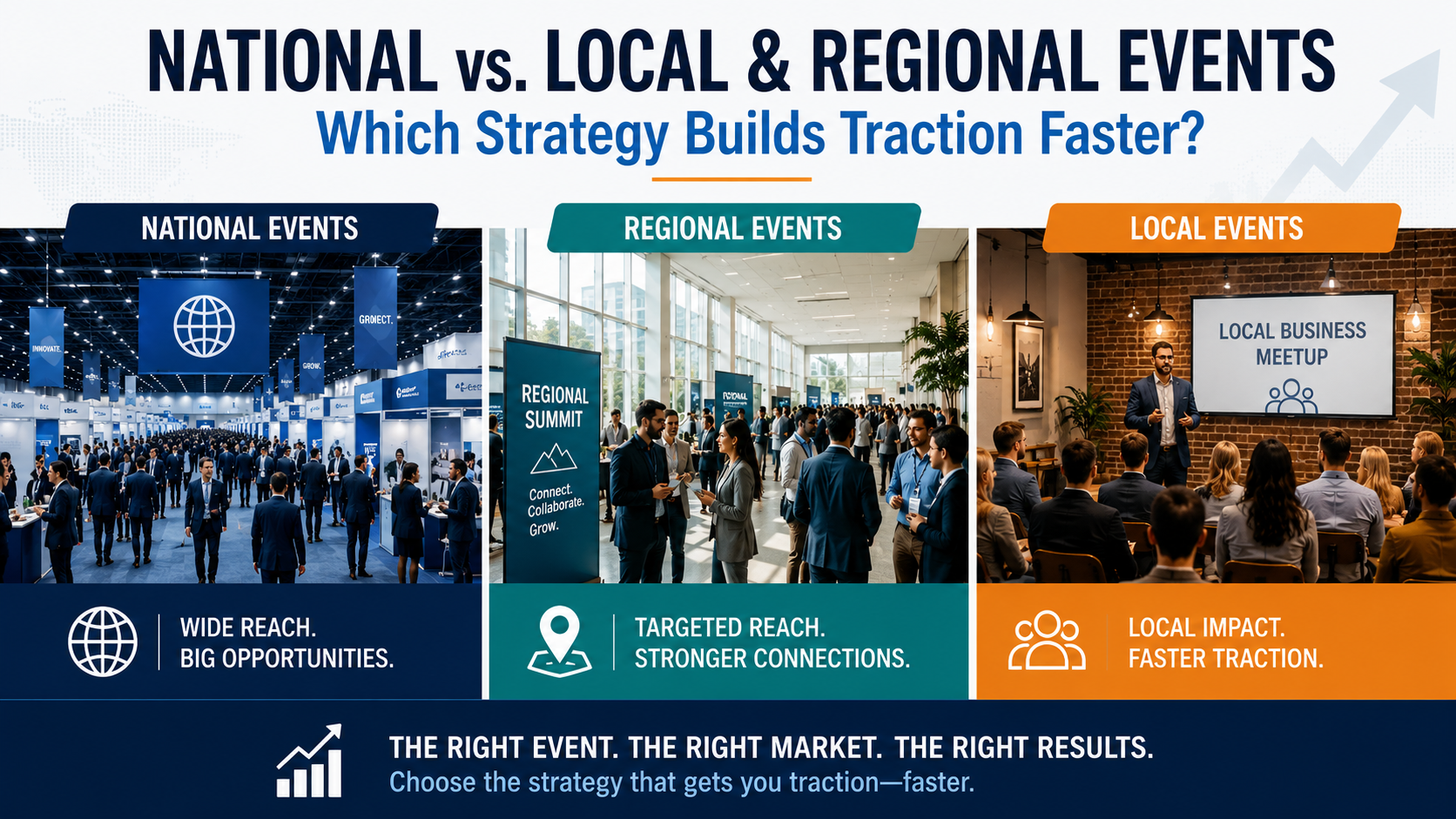
The U.S. B2B market is deeply relationship-driven. Buyers often purchase from people they've met at industry events, been introduced to through trusted peers, or seen consistently in their professional networks. This is why relationship-building deserves its own budget line.
Key investments include:
This is the area where a Relationships as a Service (RaaS) approach delivers outsized value. Rather than spending years building connections from scratch, the right partner can place your company in the right rooms immediately — compressing years of network-building into months.
Budget range: $20,000–$100,000+/year.
Here's how these investments stack up across three common entry scenarios:
This approach works for companies testing the market before committing fully. It includes essential legal setup, basic brand adaptation, limited outbound lead generation, and a lean content program. Results take longer, but the foundation is built correctly.
The most common investment level for companies serious about building U.S. revenue within 12–18 months. Includes a dedicated SDR or outsourced sales development, a full content and SEO program, targeted paid media, and active relationship-building through events and partnerships.
For companies with a clear opportunity and the budget to move fast. Includes a full U.S. sales team, aggressive demand generation across multiple channels, major trade show presence, and a dedicated relationship and partnership program.
Even well-planned budgets often miss these hidden costs:
For the right company, the U.S. B2B market offers scale and revenue potential that few markets can match. But it rewards companies that plan carefully, invest appropriately, and work with partners who know the market from the inside out.
At Marketing Beyond Borders, we work exclusively with international B2B companies entering and expanding in the U.S. market. Our Relationships as a Service (RaaS) model, combined with lead generation, brand positioning, and content marketing, gives international companies the fastest path to real U.S. traction — without the trial and error of figuring it out alone.
If you're serious about building a U.S. presence, we'd love to talk. Reach out to our team to start the conversation.


We use cookies to enhance your experience, analyze traffic, and support our marketing efforts. Privacy Policy